
by Karl Popowics | May 19, 2022 | Auto Accidents, Legal Matters Discussed, Personal Injury, Safety, Truck Accidents
In Indiana, in order to legally operate an automobile, and you are required to have a driver’s license. To obtain a driver’s license, you must pass a written driver’s test and pass a road test. These conditions exist throughout the country. Indeed, all states and Washington D.C. require an individual to pass a road test and a written driver’s test before being issued a driver’s license. Thus, may wonder what happens when an individual is injured in an accident but the individual does not possess a valid driver’s license.
In short, although operating an automobile without a valid driver’s license is a criminal offense, the absence of a driver’s license does not automatically prohibit an individual from recovering for their injuries. However, in the context of a claim for personal injuries, disagreements often occur over whether the absence of a driver’s license is even admissible evidence. When these disagreements occur, and if left unresolved, a judge is asked to determine whether the jury will be allowed to hear evidence about the absence of a driver’s license. Like many areas in law, an exploration into the facts of an individual matter is usually necessary to assess how a judge is likely to resolve these types of disagreements.
For example, just because a driver does not possess a valid driver’s license at the moment of the accident, it does not necessarily mean a judge will allow a jury to hear this information and it is important to identify whether the individual ever possessed a valid driver’s license at any time in their life and to identify what the driver was doing at the time of the accident. The basic and indisputable purpose of the driver’s license requirement is to certify that the owner of the license has proven they are capable of operating an automobile on public roads in a safe and responsible manner. Therefore, if an individual previously passed a road test and written test, but forgot to renew their license, and is then rear-ended while stopped at a red light, the fact that the individual did not possess a valid license at the time of the accident has little relevance, and is not likely admissible. This is because the individual had previously demonstrated a base understanding of the rules of the road and a base proficiency at operating an automobile and the competence is not in dispute since they were properly stopped at the time of the accident.
On the other hand, if the individual has never possessed a license and has never passed a road test and written test, and is injured in an accident while changing lanes shortly after passing a sign signifying a lane was ending, it is more likely a judge would allow a jury to hear evidence about the absence of a valid license. This is because the same factors that make it necessary for individuals to pass a written and road test (knowledge of right of way practices and warning signs) are the same factors that are associated with the facts of the accident.
If you have questions about how the absence of a valid driver’s license impacts a claim for personal injuries, call one of our experienced lawyers for a free consultation.

by Christopher Clark | Mar 10, 2022 | Current Events, Employment Law, Harassment, Legal Matters Discussed
Despite bitter partisan divide in Washington, both the House and Senate recently passed H.R. 4445 which will effectively end the forced arbitration of sexual assault and sexual harassment cases. (Read here.)
What does this mean? Many employees may not even be aware that they signed an arbitration agreement when they accepted the offer from their employer. Often these clauses are buried in employment agreements, and employees have no knowledge or understanding of what they even mean. However, employers favor forced arbitration because it keeps them out of court. The effect of forced arbitration clauses is that they close the courthouse doors for many victims of sexual assault or harassment.
When a new client comes to me with a claim of sexual assault or harassment, one of the first things we want to know is whether they signed an arbitration agreement. If a victim is bound by an arbitration agreement, then we can’t file a public lawsuit. Arbitration agreements empower employers to make low ball offers to settle and insist on confidentiality. These agreements effectively take away a victim’s right to go public with the allegations and exposing the perpetrators.
Many defense lawyers are surmising that this will result in a huge increase in the number of lawsuits being filed by victims, and larger settlements because corporations are no longer going to be able to force victims into a confidential arbitration proceeding. The guaranty of confidentiality means less exposure and publicity for perpetrators and the corporations for which they work.
While it remains to be seen whether this will cause an increase in lawsuits, this can certainly be viewed as a win for victims of sexual assault and harassment. The law basically amends the Federal Arbitration Act to make it easier for victims to file suit in State or Federal Court despite having previously agreed to arbitrate those claims. Victims will now have the right to choose to file their claims in court, rather than being forced by their employers to arbitration, thus allowing their claims will be heard by a judge, not an arbitrator.
The effects of the new law go beyond just giving victims their “day in court.” This will now force employers to effectively address sexual assault and harassment in the workplace. Gone are the days of paying off victims and buying their silence with a confidentiality agreement. By shining the light of a public proceeding on a perpetrator, it may prevent them from finding any future victims.
If you are a victim of sexual assault or harassment in the workplace, you need to know your rights. Call one of our experienced employment law attorneys for a free consultation.
Related Articles:
– If you think you are working in a hostile work environment, but don’t know for sure, check out this article on what constitues a hostile work environment.

by admin | Feb 10, 2022 | Discrimination, Employment Law, Harassment, Legal Matters Discussed
If an employer has discriminated against you because of your special needs, he or she is may be violating federal law as well as state and local laws.
In 1990, Congress passed a piece of civil rights legislation called the Americans With Disabilities Act (ADA). Title 1 of this legislation specifically prohibits workplace discrimination against individuals with disabilities. Such prohibitions apply to any business that has 15 or more employees on its payroll. The ADA also offers protection to individuals such as spouses or parents who may be subject to bias on the basis of a close relationship to a person with a disability.
Four other federal laws also specify protections for psychologically or physically challenged individuals:
The Rehabilitation Act
Section 501 of the Rehabilitation Act prohibits disability-related bias by federal employers and mandates affirmative action programs that will increase the number of employees with disabilities in federal workplaces.
The Workforce Innovation and Opportunity Act (WIOA)
Section 188 of the WIOA prohibits disability-related bias on the part of any employers who receive financial or programmatic assistance under the terms of the WIOA.
The Civil Service Reform Act (CSRA)
The CSRA contains language that stipulates against disability-related bias that targets both Civil Service employees and prospective employees.
Additionally, all 50 states have laws in place that prohibit workplace bias against individuals with disabilities though in some states, these laws only pertain to workplace discrimination on the part of public employers.
What Is a Disability?
The ADA doesn’t contain language that categorizes all the physical and psychological conditions that constitute disabilities. Instead, the ADA imposes a standard: If a condition has a negative effect on an individual’s ability to carry out the routine activities of daily life, then it constitutes a disability.
The ADA’s definition includes people who’ve been impaired in the past even though they may not be impaired when they’re employed or when they apply for employment. The ADA’s definition also includes people who are able to carry out major life activities but who are affected by a condition that is typically classified as a disability. Disabilities also include injuries that may prevent employees from working in their customary capacity for a limited amount of time.
Reasonable Accommodation
The ADA requires employers to make “reasonable accommodations” to either job duties or to the layout of a workplace that will enable an employee with special needs to do his or her job adequately. What might these accommodations reasonably include? Here are a few possibilities:
• Physical modifications such as raising or lowering the height of desks for people in wheelchairs or installing screen magnifiers on computers that are used by individuals with visual impairments.
• Moving a workstation closer to a restroom for a worker whose disability includes bladder or bowel control issues.
• Allowing a more flexible work schedule and use of leave time so that a worker can pursue medical treatments. This accommodation may also require granting additional amounts of unpaid leave time.
Under the ADA, however, employers are not required to make particular accommodations for physically disabled workers if those accommodations would impose “undue hardship.” The burden of proof will be on employers to prove that an accommodation an employee has asked for is too costly or too disruptive to be implemented. Both courts and the U.S. Equal Employment Opportunity Commission (EEOC) , which is the federal agency charged with enforcing ADA compliance, will look at a variety of factors here, including potential tax credits and the disabled employee’s own willingness to supply the accommodation or to pay for its costs.
Harassment is considered to be a type of bias whether or not an individual is affected by a disability. The ADA has language that prohibits harassment as does the Civil Rights Act of 1964 and the Age Discrimination in Employment Act of 1967.
In its broadest sense, harassment is any unwelcome conduct that’s instigated by an individual’s race, color, sex, age, religion, place of national origin or disability. However, not every offensive remark constitutes unlawful harassment. In order to meet that standard, the offensive conduct must be a condition of continuing employment, or it must also create a workplace that a “reasonable person” would consider a hostile or intimidating environment.
The harassing individual can be anyone who is connected with a workplace, including a company’s owner, its managers, its employees, its independent contractors or even individuals who are not employees as might be the case with a vendor who delivers inventory on a regular basis. A harassment victim doesn’t have to be the individual who’s actually subject to unpleasant behavior, either; he or she can be someone who overhears the harassment and is deeply affected by it.
Employers are liable for harassment on the part of employees over whom employers have control. They’re also liable for harassing behaviors on the part of supervisors particularly if that harassment has negative implications for employment unless employers can prove either that they tried to correct the harassing behaviors or that the employee reporting the harassment did not take advantage of corrective opportunities offered by the employer.
Protect Your Rights
If you’re experiencing an unfair workplace situation that’s related to your disability, you have legal rights, and an experienced attorney can help you protect those rights. You are looking at tight statutes of limitations, so it’s important to contact a lawyer as soon as possible. In most instances, you will need to file a charge with the EEOC within 180 calendar days of the time you were refused accommodation or were subjected to harassment. (If you’re a federal employee, that statute of limitation is only 45 days.)
A discrimination attorney can evaluate your situation and help you decide whether or not your case is worth pursuing. These claims can be difficult to prove without concrete evidence of an employer’s bias, so it’s important to work with a legal professional who can help you compile the necessary evidence. An attorney can help you negotiate with your employer to get the accommodations that are your right. In worst-case situations, if your employer isn’t willing to make the accommodations that would help you keep your job, a lawyer may be able to help you receive compensation for your employer’s unlawful actions.

by Jim Browne | Dec 2, 2021 | Legal Matters Discussed
The news of the tragic death of pizza delivery driver when a porch collapses, Billy Fields, last weekend in Connersville is a graphic reminder of the dangers faced by delivery drivers across Indiana and the United States. No criminal charged or wrongful death charged were claimed. See the news story from Fox59 here.
With an increase in food and goods being delivered directly to people’s doors, it is a stark reminder to homeowners of their responsibility to keep their premises safe for invitees on their property. If the homeowners knew or should have known of the danger presented by this porch, then they can be held responsible for the damages that they have caused this driver’s family. Mr. Fields leaves behind a 13-year-old daughter.
Our partner, Jim Browne, recently represented the family of a delivery driver who was killed in a similar porch collapse in Marion, Indiana. In that case, a UPS delivery driver was killed when he stepped on to a porch that collapsed, trapping him under the concrete. We immediately employed a structural engineer who was able to determine that the porch was dangerous. We were also able to determine that the homeowner knew the dangerous condition of the porch, yet they failed to warn invitees to their property of the danger.
While no amount of money can replace a loved one, we were able to obtain a significant financial settlement on behalf of the family. These cases require quick action as they often require expert witnesses to review the accident scene before evidence is destroyed.
If you or a loved one has been injured or killed while delivering on someone’s property, call us for a free consultation.
Photo by Reba Spike on Unsplash
by admin | Nov 8, 2021 | Current Events, Legal Matters Discussed, Prison Injury
This blog contains discussions of suicide. If you or someone you know may be struggling with suicidal thoughts, please call the suicide prevention hotline at 800.273.8255.
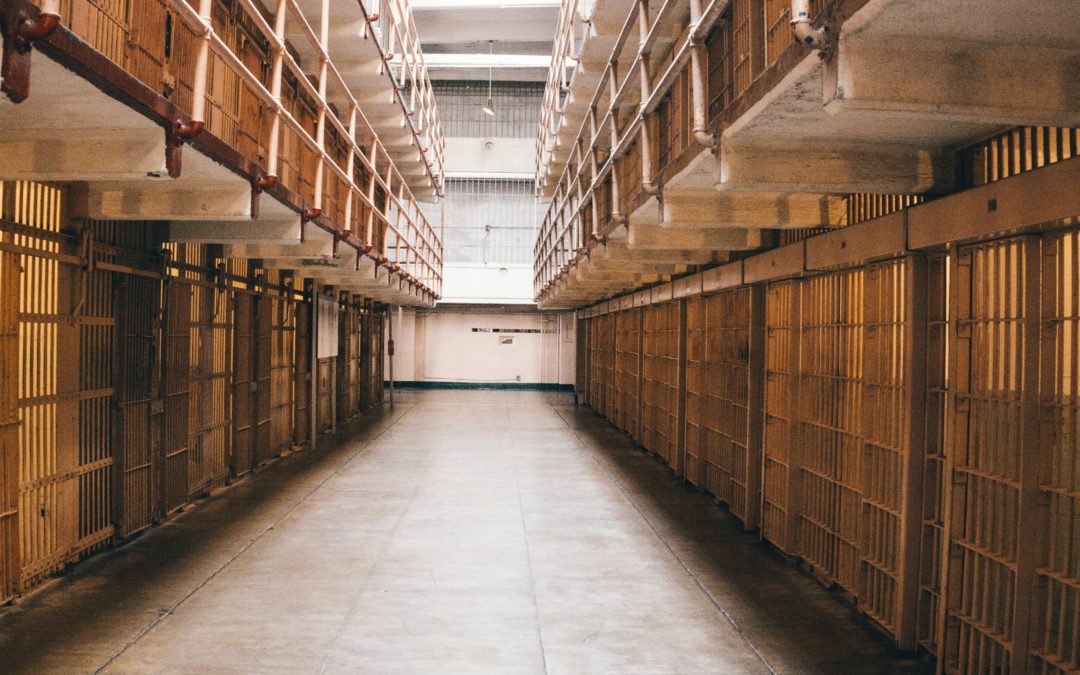
There’s only one place in America where basic healthcare is an undeniable right; that’s prison. Since the incarcerated have no opportunity to seek out healthcare on their own, they rely on the 8th amendment to get the minimum standard of medical care they need. The 8th amendment of the Constitution protects the incarcerated from cruel and unusual punishment, enabling them to receive medical care while behind bars—as being literally locked up without access to medical care is be deemed both cruel and unusual. What’s truly cruel and unusual; however, is the rate at which inmates are dying in Indiana prisons.
Those of you local to Indianapolis may have seen an article in the Indy Star recently highlighting the horrifying statistics related to inmate suicide. Here is what the Indy Star reporters found:
• Since 2010, 125 people have died by suicide in Indiana prisons. That is 42% of all in-prison fatalities, exceeding the national average of 30% and making suicide the leading cause of death.
• 2020 was the worse year for jail suicides in Indiana with 18 total deaths. This is triple the number who died in 2010.
• At least 76% of the suicides occurred in jails that were found by state inspectors to be overcrowded, understaffed, or both—conditions that make it hard to identify and monitor people who might be at risk of suicide.
• 82% of the people were being held pretrial and had not yet had their day in court
• At least 20% of the suicides involved people who jailers should have known, or did know, were suicidal. Some told jailers they had considered suicide or were on suicide watch. Several had even made, and survived, prior attempts to harm themselves in jail. Others were captured on surveillance video making a noose or other preparations.
• More than 40% of the suicides happened within a week of the person being booked into jail. Nearly one in 10 occurred within a person’s first 48 hours behind bars.
• As many as 80% of the roughly 20,000 Hoosiers in Indiana’s county jails are struggling with mental health or substance abuse issues.
Being behind bars is overwhelming. It creates extreme anxiety, stress, and fear with research showing that people in prison are more than twice as likely to die by suicide than a person who is not incarcerated. These facts paint a clear picture. Careful evaluation and close monitoring of those entering prison is critical to inmate safety.
According to the Indy Star, new corrections officers in Indiana are required to attend only 8 hours of state-mandated training specifically focused on suicide and mental health. State law also allows new officers to work as long as a year before receiving that training. Suicidal prisoners are supposed to be checked every 15 minutes. In many facilities, this doesn’t occur and the reasoning is astounding.
Prisons are grossly overcrowded and understaffed leading to inadequate prisoner to staff ratios and a virtual impossibility of meeting the every 15 minute check in rule for inmates at risk for self-harm. Corrections officers are also inadequately trained in the area of mental health. More social workers are needed—licensed mental health professionals that adequately evaluate and recommend the safest course of action in dealing with suicidal inmates. Greater efficiency in prescription medication requests and access to psychiatric care is imperative in adequately treating the mental ill behind bars, a larger staff with access to more video surveillance technology in special padded cells designed to protect the mentally ill and suicidal along with stricter adherence to suicide protocols such as the every 15 minute check in and other state mandated procedures.
If rules are expected to be followed on the outside to avoid landing behind bars, the rules need to be followed on the inside as well. As Lindsay Hayes says, a researcher of suicides in jails and prisons for over 40 years, “preserving life is our moral and legal responsibility. Everyone who dies in our jails could have been our son or daughter, our brother or sister, our loved one, our friend.”
As construction continues on the new Community Justice Campus, the replacement for Indianapolis’ Marion County Jail 1, we at Goodin Abernathy hope that all non-clinical personnel get the training they need to better recognize and react to suicidal and mentally ill inmates. We also hope that those incarcerated get the medical and mental health services they so fervently require.
If you or someone you know may be struggling with suicidal thoughts, please call the suicide prevention hotline at 800.273.8255.

by admin | Oct 4, 2021 | Current Events, Legal Matters Discussed, Personal Injury, Safety, Small Business, Truck Accidents, Worker's Comp, Wrongful Death
Why You Need to be Represented by the Attorneys of Goodin Abernathy LLP for Farming Accidents in Indiana
The Goodin Abernathy LLP trial attorneys are experienced with helping farm and field workers who suffer serious injuries in farming accidents. As Indiana’s harvest season begins, now is the time to use extra caution working in the fields and driving through the countryside.
The Hoosier State is ranked 10th nationally in total agricultural production and ranked in the top five states for crop production like corn and soybeans. It’s also ranked fifth in the nation for swine production and third for poultry. (https://farmflavor.com/indiana-agriculture/) With this high volume of production, numerous workers and large farm machinery are active daily in the fields of Indiana’s farms. Because of this heavy equipment, agriculture is a hazardous industry. Farmers are at a high risk for fatal and serious farm accident injuries. (https://www.cdc.gov/niosh/topics/aginjury/) These injuries are gruesome and can have long lasting effects. Over the years, Goodin Abernathy LLP’s personal injury attorneys have represented farm hands throughout Indiana, helping them understand the legal system and fighting to make sure they collect the legal benefits or damages they deserve following serious accidents.
Our initial consultations are free. More importantly, since each client’s farming accident experience is unique; Goodin Abernathy LLP does not charge a set contingency fee. Our fees depend on the level of legal work your claim requires. When meeting with us for the first time, no one will pressure you to sign a fee agreement or make any decisions right away. We prefer in-person initial consultations. If time and distance are a barrier for out of state clients, we handle video conferencing and telephone conferences at convenient times, all days of the week.
Goodin Abernathy LLP attorneys handle farming accident cases for injured clients and their families from all across the country. If the accident happened in Indiana, Goodin Abernathy LLP attorneys know the law. We handle state and federal lawsuits and are proficient at holding those responsible accountable for their negligence.
Since fall is when the harvest takes place, more accidents occur during this time of year. Most farm operations own and run their own semi trucks for hauling grain. Thus, more big trucks are driving throughout the countryside on state and country roads increasing possibilities that trucking accidents can occur. Grain trucks, filled full of heavy grain, are harder to stop. They can also enter the road at unmarked points during the day or night. Many do not have the proper, legally mandated, reflectors and lights. Some of these farm vehicles are even left on the side of the road without the proper materials to make them visible to other traffic on the road. Big farm machinery can also hit or run over workers in the field—especially those attempting to load produce.
Machinery accidents only allot for a portion of farming accidents. Here are some of the other accidents the attorneys of Goodin Abernathy LLP have handled:
- a dairy farm hand who slipped in cold, frozen mud and fell into a manure pit where he died from toxic fume exposure;
- a young teen who was working as a temporary farm hand and put his hand in an auger to dislodge material when the machine started running again and mangled his hand;
- silo accidents where young or untrained farm hands get sucked into huge amounts of grain.
Goodin Abernathy LLP attorneys also realize that many of Indiana’s agricultural workers come from out of state or even out of the country. In fact, 73% of America’s farming labor force is comprised of migrant workers.
If you are injured in Indiana, Goodin Abernathy LLP is the firm to represent you. When Goodin Abernathy LLP attorneys take a farming accident case, we grab it hands-on and work to collect the details that accurately describe how and why the accident happened. Our experience handling medical testimony, using top quality experts and showing a jury the anatomy of an injury is just as important as our experience investigating accidents. We have the skills necessary to represent you, and the attorneys of Goodin Abernathy LLP CARE ABOUT OUR CLIENTS.
Goodin Abernathy LLP also offers all of these services, in Spanish, to the Indiana Latino community. Marca aquí por un versíon en Español – Legalmente Hablando Indy.
Indiana law allows farms to cover cases under Indiana Worker’s Compensation law or face a potential negligence claim. Worker’s compensation should provide you with medical, rehabilitation and income benefits if you are injured on the job. These benefits are provided to help injured workers return to work. It also provides benefits to the worker’s dependents if they die as the result of a job-related injury. The attorneys are Goodin Abernathy LLC understand the legal intricacies of farming accidents claims. We care about you and your families and are ready to help you fight for the maximum amount of compensation allowable by law.
Let Goodin Abernathy LLP guide you through your legal claim. We walk beside you through the entire process handling your case with the care and attention you deserve. We want to get to know you, discuss the legal process, provide you the opportunity to ask questions and explain our fee structure. Reach out to Goodin Abernathy LLP and let us show you how we set ourselves apart from other attorneys. Experience the care, wisdom, and experience Goodin Abernathy LLP has to offer by calling 317.843.2606 today for your free consultation.
Photo by Spencer Pugh on Unsplash

by admin | Sep 12, 2021 | Auto Accidents, Bicycle Accidents, Birth Injury, Brain Injuries, Construction Injury Claim, Dog Bites, DWI, Motorcycle Accidents, Personal Injury, Traumatic Brain Injury, Wrongful Death
The attorneys at Goodin Abernathy LLP handle Wrongful Death claims – fighting to honor the memory of lost loved ones and supporting their dependents as the law allows. Losing a loved one is catastrophic. The physical and emotional void left by a family member’s death feels insurmountable. These emotions don’t even include the financial toll of losing a family’s bread-winner. Money can’t replace someone we love, but as a practical matter, it’s something families need legal help collecting. In Wrongful Death cases, not only do Goodin Abernathy LLP attorneys know we are legally obligated to pursue the fullest extent of damages under the law – we want to fight for them because we care about our clients.
Indiana law allows family members and dependents to recover money as legal damages when their loved one is killed by another’s negligence. “Damages” is a legal term referring to the compensation – normally a sum of money – provided to a person who suffers harm or loss due to the negligence of another. Negligence causing one’s death is commonly known as a “wrongful death” claim.
Here are some things to consider when deciding what to do after losing a loved one to Wrongful Death.
Wrongful Death is a Civil Claim not a Criminal Claim
Wrongful Death refers to deaths that result from the negligent act of an entity or another person. A negligent act does not always mean a crime was committed. Your loved one’s death need not be the result of an intentional criminal act for you to make a Wrongful Death claim. We are experienced handling cases involving both criminal and negligent (civil) claims. Explaining how the criminal and civil laws work is one of the first things we address with grieving families. It’s natural to ask “Why didn’t that driver, who ran the red light, get sent to jail?” Goodin Abernathy’s attorneys evaluate and explain cases clearly. Sometimes cases do not involve criminal acts and we understand families are stunned the at-fault driver is not going to jail. While being honest with our clients, we are also sympathetic to their loss. No question is a dumb one and no feelings are dismissed by us. We take the time to walk our clients through legal explanations because we want them to understand and be comfortable with the process. As regular people, Goodin Abernathy’s attorneys actually care about our clients – then we use our training and experience to provide them with superior legal services.
What Sorts of Deaths Qualify as Wrongful Deaths?
Here are some situations that can lead to a Wrongful Death claim: Auto Accidents, Bicycle Accidents, Birth Injuries, Dog Bites, Drunk Drivers, Motorcycle Accidents, Drowning, Electrocution, Construction Accidents, Dangerous Working Conditions, Traumatic Brain Injury and Trucking Accidents.
Was someone driving erratically, causing an accident that killed your loved one? Did your loved one suffer an accident at work resulting in their death? Besides having an Indiana Worker’s Compensation claim, you may also have a wrongful death claim. There is a big, important difference between the two. Because we’ve handled these situations, we’ll explain how we prosecute both legal claims for our clients’ maximum benefit.
I’m Grieving and Don’t Have the Time or Energy to Pursue Legal Action
Losing a loved one is exhausting. It feels like there is a never-ending number of things to take care of and the last thing most people want to consider is a drawn-out legal battle. We get it- just remember two things: 1) In Indiana, the personal representative of the deceased has two (2) years to make a claim. (IC 34-23-1-1); and 2) the longer you wait to engage legal help means the more likely important evidence is lost. You might not feel like you have the time to juggle a lawsuit and find your way after a loss. (futtrading.co.uk) But trust the idea we want to help, and we will make it as easy as possible to connect and communicate with us. When it comes to the legal issues involved with a claim, it’s our job to do the work so you and your family can move forward at the same time.
What Sort of Damages are Available in a Wrongful Death Case?
Damages may include medical, hospital, funeral and burial expenses. Damages include the loss of someone’s love and affection. Another big category of damages includes lost income or lost earnings. Under Indiana’s Wrongful Death Statute “recovery of emotional damages is allowed for spouses and dependent children; a decedent’s minor children may recover for loss of parental training and guidance as well as for the loss of their parent’s care.” (TRW Vehicle Safety Systems, Inc. v. Moore) “This loss can be determined, in part, from assistance that decedent would have provided through money, services or other marital benefits, but it also includes loss to children of parental training and guidance and loss of love and affection to surviving spouse.” (Southlake Limousine and Coach, Inc. v. Brock)
Wrongful Death cases are complex. The attorneys at Goodin Abernathy LLP are here to help you navigate these difficult times. Unlike a lot of big name advertising firms, our fees are structured for fairness to our clients. Our fees depend on the level of legal work you claim requires. You should not pay one set fee percentage for your case. We will explain how our fee structure works and comfortably answer your questions. Goodin Abernathy LLP gives you the time for decision making – we do not pressure you into signing our fee agreement the first time we meet. In these situations, you deserve an attorney that will walk beside you through the entire process. Contact us, Goodin Abernathy LLP, and see how we set ourselves apart from other attorneys. We know this is an emotional time. Let us help you recoup a sense of security for your family’s future. Call Goodin Abernathy LLP at 317-843-2606 today to schedule your Free Consultation.
Photo by Nate Isaac on Unsplash

by admin | Sep 2, 2021 | COVID-19, Legal Matters Discussed, Personal Injury, Worker's Comp, Wrongful Death
We know losing loved ones is sad and very stressful. The COVID Pandemic has been hitting my Hispanic client base hard and causing a lot of heartache. Other cases we see involve “wrongful death” or negligent death claims. Goodin Abernathy LLP focuses on prosecuting these claims. The law allows loved ones to pursue financial damages when their family members die in work accidents or due to the negligence of others. These legal theories are known as an Indiana Worker’s Compensation claim or a negligent death / “Wrongful Death” claim. The law controlling each these claims are very different and it is important that families use Goodin Abernathy’s legal services to prosecute the actions.
When one dies, the damages generally include a lifetime of financial income. This greatly impacts the families that were relying on that support. Legalmente Hablando Indy makes sure the lost income is correctly calculated under the law. Plus, we pursue other damages allowed under the law. Neither the citizenship of the decedent or their remaining families matters – Goodin Abernathy will represent them to the fullest extent of the law.
In the course of handling wrongful death and work accident claims for my Hispanic clients, many families send their loved ones back to Mexico for burial. My law office – Goodin Abernathy LLP helps those families communicate with consulates and local government. We are experienced working with morticians, the local Consulate and other services to coordinate these transfers. Technically, the action of returning a body or remains of a deceased loved one is called “repatriation”. Government Consulate offices, like the Mexican Consulate in Indianapolis, are a starting point. https://consulmex.sre.gob.mx/indianapolis/
Families should also be ready to work with the morgue and local government for handling the process. My law office communicates with the county health department and other services to manage transportation to a final resting place. I find most families appreciate the sense of confidence that things are being handled correctly when my firm supplies this support. Here is a guide for information specific to using Mexico’s process. https://www.gob.mx/cms/uploads/attachment/file/548418/Gu_a_para_el_traslado_de_restos_o_cenizas.pdf You’ll also find general information about the process in this article. https://www.azcentral.com/story/noticias/2020/04/17/como-repatriar-cuerpo-cadaver-estados-unidos-hacia-mexico/5124133002/
Goodin Abernathy and attorney Jim Browne personally handles your case. We speak Spanish and you meet with us personally. Unlike many TV and billboard advertisers, you actually meet with attorney Jim Browne and he handles your case. Recently, we have handled death cases involving work accidents in construction projects, delivery services and an attack at business. Each of the families that hired us benefit from a team of experienced legal professionals that truly care about their cases.
If your friend, loved one or family member is injured or killed, contact attorney Jim Browne and the Goodin Abernathy law team. Listen to how we care and what we will do seeking justice for your loved one. Learn more about us on this website or our Facebook site.
by admin | Aug 10, 2021 | Employment Law, Legal Matters Discussed
by M. Alison Reed, JD
The Americans with Disabilities Act (ADA) is “one of America’s most comprehensive pieces of civil rights legislation that prohibits discrimination and guarantees that people with disabilities have the same opportunities as everyone else to participate in the mainstream American life – to enjoy employment opportunities, to purchase goods and services, and to participate in State and local government programs and services.” (www.ada.gov)
Marlo Spaeth is one of these people. Marlo, a seasoned Walmart employee of 16 years, has Down Syndrome. Marlo’s schedule at the retail giant followed the same pattern for years—until Walmart decided to alter it. The change caused hardships for Marlo, who requested that Walmart change her schedule back to its original pattern. Marlo’s mother and sister also spoke to Walmart on her behalf, encouraging the company to grant Marlo’s request alleviating the hardships caused by the schedule change. Walmart refused. Marlo had difficulty adjusting to the new schedule, which lead to increased absenteeism and, eventually, her termination. (EEOC v.Wal-Mart Stores East, E.D. Wis.,No. 1:17-cv-00070 (E.D. Wis. 2021))
The ADA requires that employers provide “reasonable accommodations” for a worker’s disability. Marlo Spaeth was asking that her schedule be altered back to her original shift—a change of 60-90 minutes at the beginning and end of her shift. When Marlo was working her original schedule, she received “consistently positive reviews and feedback from her managers.” This led the US Equal Employment Opportunity Commission (EEOC) to believe Walmart “failed to provide reasonable accommodations” to Marlo, eventually firing her “due to her disability.” (Ryskamp, Dani Alexis, Jury Decides Walmart Must Pay Over $125 Million in Disability Discrimination Case, www.expertinstitute.com, July 29, 2021)
The EEOC sued Walmart on Marlo’s behalf, winning a judgment in excess of $125 million dollars. The judge has altered that amount according to federal statutory maximums, and Marlo Spaeth waits to hear the final amount of her settlement—which should include amounts to cover Marlo’s lost wages, litigation costs, and interest.
Have you or someone you know lost a job or not been considered for a position due to a disability? Have you recently been diagnosed with a disability and believe you may be entitled to Social Security Disability Insurance Benefits (SSD/SSDI) or Supplemental Social Security Income (SSI)? Do you have a child with a disability or special needs? The lawyers at Goodin Abernathy can help.
Applying for disability can be frustrating. The process takes a long time and oftentimes first time applicants are denied. Do you need someone to help walk you through the appeals process? Represent you in a hearing before an Administrative Law Judge? You don’t have to attempt this difficult process alone. Call Goodin Abernathy today for a Free Consultation.
by admin | Jul 27, 2021 | Contracts, Discrimination, Fraud, Legal Matters Discussed, Real Estate Law, Small Business
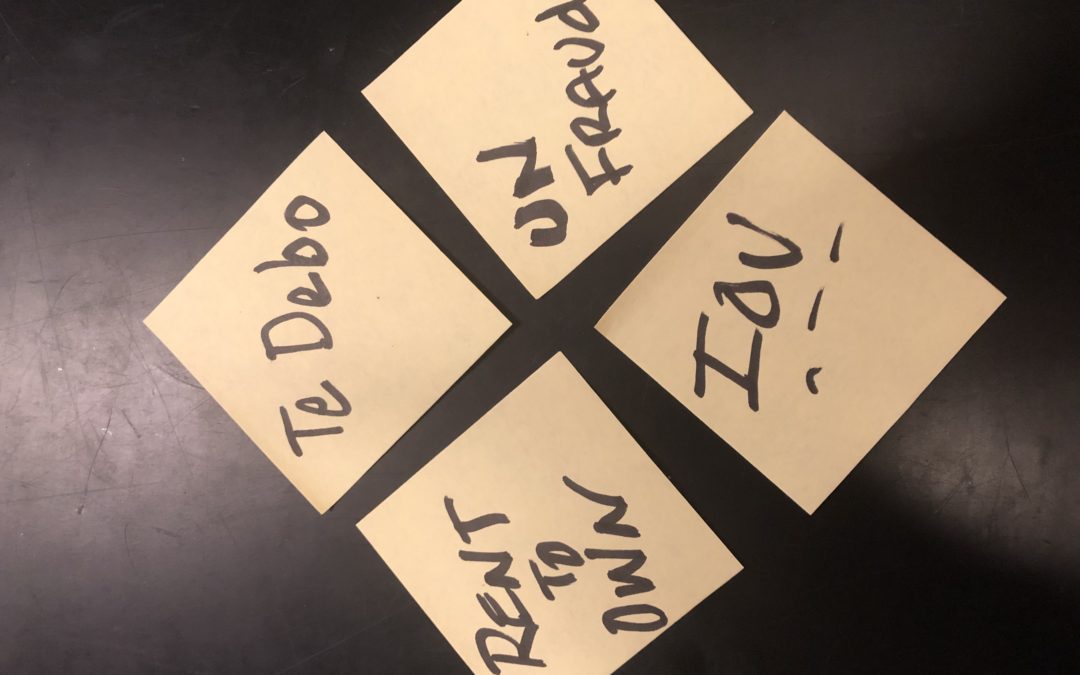
Many clients visit or call asking me to evaluate problematic business contracts or rental agreements. Often my they are surprised about what the contract terms actually mean. Worse, there are times we discover the contract or other party’s promises are fraudulent.
Please learn this lesson from my experience with so many clients: Don’t be cheap at the beginning of a deal – Visit me, Lic. Jim Browne, to review the business contract, home purchase or lease before you sign it.
At Goodin Abernathy / Legalmente Hablendo Indy, many of our Hispanic clients admit they wanted to avoid using an attorney to save money. I understand that idea – it’s reasonable to think that way. But ALL those same clients acknowledge that if they spent a little money for a legal review before entering their agreement, it would have saved them a lot of frustration, time and money.
Rent-to-Own Agreements
Many Latinos enter Rent-to-Own contracts with the idea they are slowly buying their house. The concept, as they understand, uses their rent money to pay off the house. (https://ankormusic.com/) Before signing one of these agreements, make sure the seller also legally owns the house. Do they have the legal authority to sell you the property? Last year I saw an example involving total fraud. The seller did not own the property and collected my client’s $6,000.00 down payment. When they tried to move in, the locks were changed so they contacted the seller. He lived out of state and they did not have his address. He wanted more money for them to move in. Surprisingly, the young couple paid more money. Then, the seller asked for even more money and that is what finally made them think it was a scam. You should meet the seller in person and have their address. If they do not live in the same town or state where you are buying the property, take further steps to verify the ownership. You can check the county government’s records to match the seller’s name with the property’s title. Check if there are other mortgages, liens or taxes owed on the property. If there are, you need to make sure the seller is paying those obligations. If not, the seller will have your money and the lender will keep your house. You can find more information about rent to own fraud here: What you need to know about rent-to-own deals. Then see me for a specific review of your situation.
Business Lease Agreements
Individuals and small companies usually rent office space. One type of rental agreement, or lease, includes the terms for a “Triple Net” obligation. This means the renter makes a monthly payment. Then, at the end of the year, the landlord charges the renter additional money for other costs like property taxes, insurance, mowing, maintenance repairs, snow removal and other costs. This usually amounts to three or four times the cost of the monthly rent. If my clients don’t pay, the landlord changes the locks and denies them access to their equipment or business supplies.
Kitchen Table Contracts
Frequently, individual sellers and buyers sign a short contract over the kitchen table. My buyers think the contract is sufficient to protect their financial investments. Usually the agreement fails to address equipment inventory, describe the payment plan or handle many other practical terms they should have requested for a reliable purchase. Rarely do kitchen table contracts succeed.
Loans to Friends and Family
Monthly we get calls where a client asks if he can legally collect the money he lent a friend or family member. The first question is – Did you put the loan in writing? If not, the borrower may try claiming it was a gift. Besides friends and family, I see this a lot with individuals trying to buy or start restaurants. They will invest money to become owners but not have a written agreement. Usually they lose their money and are left empty handed. Get a written loan agreement signed. It should have terms like the length of the loan, repayment plan, interest, penalties, default provisions and litigation costs.
Subcontractor Agreements
My clients who are subcontractors start jobs expecting to get paid. Sometimes, they do not ask for written terms and hope to get paid. During the job, they pay for materials and equipment, travel and the cost of their own workers. Then when the job is finished, the contractor that hired them claims the property owner or general contractor did not pay – and often that’s a lie. These contractors frequently disrespect my Hispanic clients, threatening litigation or immigration problems. I also see this a lot with apartment complexes. They hire my clients to paint, clean or remodel many, many units. The apartment managers change and the new managers avoid paying the money owed. Or, the apartment managers claim the work was poorly done.
You work hard for your money and envision improving a future for you and your family. Protect yourself against the risk of loss.
Contact me before entering important agreements. Our legal Spanish speaking legal team at Legalmente Hablando Indy is ready to collect basic information from you over the phone.
Paying for a legal review BEFORE you enter a contract protects you against much larger heartache and financial loss later. Our legal review will be simple and communicated in terms you understand. We will help you think through the contract language that protects your business. Then, if you need me, I’ll help you negotiate the contract for a better result.
Contact Attorney, Jim Browne, by phone at (317) 843-2606 or submit an e-mail inquiry through our website.

